Helpful Tips to Electronics Recycling
Green Initiatives: How E-Waste Recycling Services Are Protecting Our Planet
E-waste poses significant threats to the environment, as discarded electronics often contain toxic materials. These hazardous substances can contaminate soil and water, resulting in widespread environmental harm. E-waste recycling initiatives provide a practical answer. They not only recover valuable resources but also mitigate pollution. Gaining insight into how these programs function and affect local communities is critical. The journey towards effective e-waste management raises critical questions about individual responsibility and collective action. What steps can be taken next?
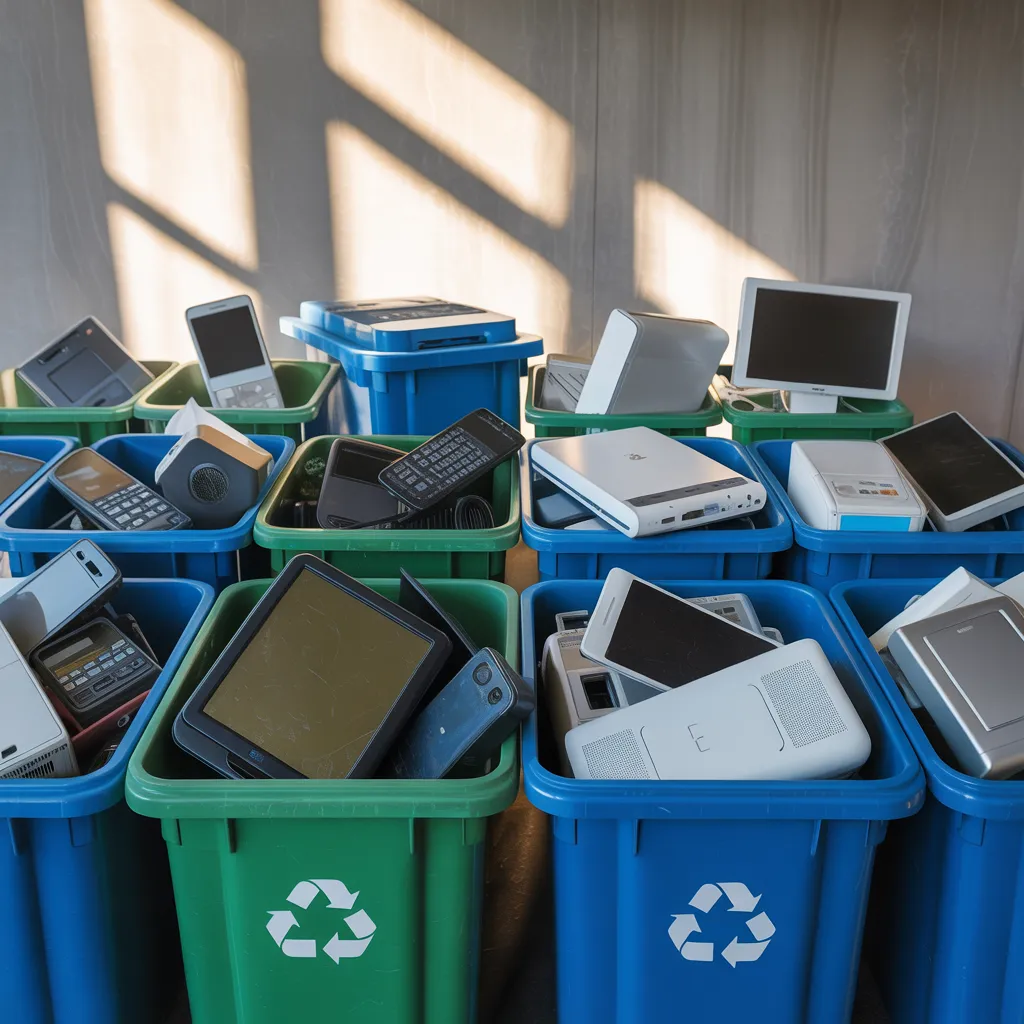
How E-Waste Is Hurting the Planet
Even though technology enhances our daily lives, electronic waste presents serious threats to the environment. Abandoned electronic gadgets, commonly laden with dangerous compounds like cadmium, lead, and mercury, are capable of seeping pollutants into the surrounding soil and water supply, posing risks to ecosystems and human health. The swift progression of technology contributes to higher rates of electronics disposal among consumers, intensifying the growing problem of discarded electronic materials.
Landfills, already strained by waste, are unable to keep up with the rising quantities of abandoned electronics. Incineration, a common waste management technique, emits dangerous pollutants into the environment, degrading atmospheric conditions. Moreover, poor recycling procedures can cause e-waste to be sent to developing regions, where employees may disassemble electronics without sufficient safety precautions, leaving them vulnerable to harmful substances. This pattern of negligence and mismanagement highlights the critical demand for eco-friendly recycling alternatives that can reduce the damaging impact of electronic waste on the environment.
What Is E-Waste and Its Importance?
E-waste, also referred to as electronic waste, includes discarded electronic devices including computers, smartphones, and televisions that have reached the end of their useful life. This rapidly expanding waste category is noteworthy owing to its accelerating volume, fueled by innovation in technology and shifting consumer habits. With an increasing number of devices reaching obsolescence, Click here the ecological consequences become more pronounced, with toxic materials such as lead, mercury, and cadmium posing risks to ecosystems and human health.
The significance of tackling e-waste extends beyond minimizing these risks to recognizing the valuable resources it holds. Valuable metals and rare earth materials can be extracted and repurposed, lessening the demand for mining and preserving natural resources. With a thorough understanding of e-waste and its impact, people and organizations alike can make educated decisions about disposal and recycling, helping to build a more sustainable world. Effective handling of e-waste is vital for encouraging a circular economy and advancing environmental responsibility.
The Way E-Waste Recycling Functions
E-waste recycling entails a structured approach intended to extract beneficial components while minimizing environmental impact. To begin, e-waste is collected and transported to purpose-built recycling plants. Once there, the devices undergo thorough sorting to distinguish harmful elements from reusable resources.
After this step, specialists dismantle the electronics, extracting glass, metals, and plastics. This stage is crucial, as it allows for the recovery of precious metals like gold, silver, and copper, which can be recycled in new electronic products.
Following this, the sorted materials are treated via cutting-edge techniques, such as mechanical shredding and chemical processing, to refine them for reuse.
Finally, the residual hazardous materials are disposed of responsibly, following environmental regulations. This systematic method not only conserves resources but also reduces the dangers associated with unsafe e-waste handling, securing a more eco-conscious future for electronic consumption.
Why E-Waste Recycling Matters for You and Your Community
Although it often goes unnoticed, the advantages of e-waste recycling go far beyond individual benefit and actively shape entire communities. By carefully processing electronic waste, individuals play a role in creating a cleaner environment, reducing toxic components that can contaminate soil and water. This responsible method actively safeguards local ecosystems and supports public health.
Furthermore, the recycling of e-waste encourages the creation of jobs in communities. Nearby recycling establishments regularly need employees for a range of functions, spanning collection through processing, thus generating valuable job opportunities to area workers. This not only boosts the local economy but also promotes community participation in sustainable initiatives.
In addition, familiarity with e-waste recycling may result in learning opportunities, encouraging residents to make environmentally conscious decisions. By taking part in e-waste recycling programs, individuals cultivate a culture of sustainability, inspiring others to do the same. Ultimately, the shared impact of these actions can create a more robust and eco-friendly community.
How to Pick an E-Waste Recycling Service
Selecting the best e-waste disposal service is crucial for guaranteeing that e-waste is handled responsibly and sustainably. Initially, people should verify the service's credentials, such as e-Stewards or R2, which signify compliance with established benchmarks for responsible recycling methods. It's also important to copyrightine the organization's credibility by reviewing feedback and looking for recommendations from trusted sources.
Furthermore, openness in the recycling process is crucial. A trustworthy company should provide clear information about the way e-waste is handled and how the materials are utilized. Additionally, considering the scope of services provided can prove valuable; some companies may provide pickup services or offer incentives for recycling.
In addition, being aware of local regulations regarding e-waste disposal can additionally influence the evaluation process. By prioritizing these factors, people are able to support successful electronic waste reduction while also advancing sustainable environmental efforts.
Ways You Can Participate in E-Waste Recycling?
Getting involved with e-waste recycling often starts at the local level, where community recycling hubs often provide essential services for proper disposal. Moreover, taking part in community awareness campaigns can strengthen efforts to inform others regarding the importance of ethical e-waste practices. Such efforts not only advance environmental sustainability but also build a collective sense of responsibility toward the environment.
Regional Recycling Centers
A wide range of neighborhood recycling stations serve a vital function in recycling electronic waste, supplying communities with reliable ways to manage electronic waste appropriately. These hubs welcome a selection of digital devices, including outdated computers, mobile phones, and TVs, making certain that hazardous materials are managed safely. Many hubs feature knowledgeable personnel who are able to assist individuals with correct disposal techniques, emphasizing the importance of recycling over landfilling. Moreover, many centers offer drop-off events or designated collection days, enabling residents to engage without difficulty. Through the use of these community services, residents support a circular economy, decreasing environmental damage and advancing sustainable approaches. Working alongside these hubs enables communities to combat e-waste pollution successfully.
Public Awareness Initiatives
Nearby organizations, schools, and enterprises can work together to organize events that support e-waste collection drives. Volunteers can play a pivotal role in spreading awareness, distributing educational materials, and engaging with the community. Through these collective efforts, local inhabitants gain greater awareness and encouragement to properly recycle their e-waste, thereby helping to build a greener and more sustainable tomorrow.
Frequently Asked Questions
What Kinds of Electronics Can Be Recycled?
Various electronics may be recycled, including computers, smartphones, televisions, laptops, gaming consoles, and printers. Additionally, ancillary devices such as mice, keyboards, and batteries are well-suited for recycling, promoting environmental conservation efforts.
Do Any Costs Come With E-Waste Recycling?
Yes, electronic waste recycling can include fees, depending on the facility. Certain providers impose charges for collection or processing, while some providers offer free services, typically funded by the resale of recovered materials.
How Do Businesses Gain From E-Waste Recycling?
Businesses can benefit from e-waste recycling by reducing disposal costs, strengthening their ecological standing, adhering to regulatory requirements, recovering valuable materials, and possibly earning income through resale, ultimately contributing to a more sustainable operational strategy.
What Becomes of Data on Recycled Devices?
Information regarding repurposed electronics is often permanently erased or destroyed throughout the recycling process. This ensures sensitive information stays protected, stopping improper access while enabling components to be recycled carefully and ethically across new manufacturing processes.
Are Broken Electronics Eligible for Recycling?
Yes, defective electronics are able to be recycled. A wide range of collection points accept damaged devices, ensuring proper disposal and recovery of recoverable materials. This effort helps reduce harm to the environment while promoting responsible recycling practices to control e-waste efficiently.